Image SEO: How to Rank Your Images Higher in Google Search
Learn proven strategies to optimize your images for search engines and drive organic traffic through Google Images with proper alt text, file naming, and technical optimization.

Images can be powerful SEO assets that drive significant organic traffic from Google Image Search and improve your overall search rankings. However, most websites fail to properly optimize their images, missing out on valuable traffic and ranking opportunities. This comprehensive guide reveals proven strategies to make your images rank higher and attract more visitors.
Why Image SEO Matters
Google Image Search processes over one billion searches daily, representing a massive traffic opportunity that most websites ignore. Properly optimized images can rank for competitive keywords where your pages struggle, driving targeted traffic to your site. Additionally, well-optimized images improve your page SEO, as Google considers image optimization a ranking factor for regular web search results.
Images with proper optimization appear in featured snippets, knowledge panels, and rich results—all prominent SERP features that increase visibility and click-through rates. The investment in image SEO pays dividends across multiple search features and channels.
Writing Effective Alt Text
Alt text (alternative text) serves two critical purposes: providing accessibility for visually impaired users and helping search engines understand image content. Write descriptive, specific alt text that accurately describes what the image shows. Include relevant keywords naturally, but never keyword stuff—this harms both accessibility and SEO.
Good alt text: "Red leather sofa with tufted back in modern living room." Bad alt text: "Sofa furniture couch buy cheap best price." The first describes the image naturally while including relevant terms. The second stuffs keywords unnaturally, providing poor user experience and risking search penalties.
Strategic File Naming
File names provide another opportunity to signal image content to search engines. Instead of generic names like "IMG_4523.jpg," use descriptive, keyword-rich names like "red-leather-sofa-modern-living-room.jpg." Use hyphens to separate words, keep names concise, and include primary keywords near the beginning.
Consistent naming conventions across your image library also improve organization and make future optimization easier. Develop a systematic approach to naming that balances SEO value with practical management needs.
Image Compression and Performance
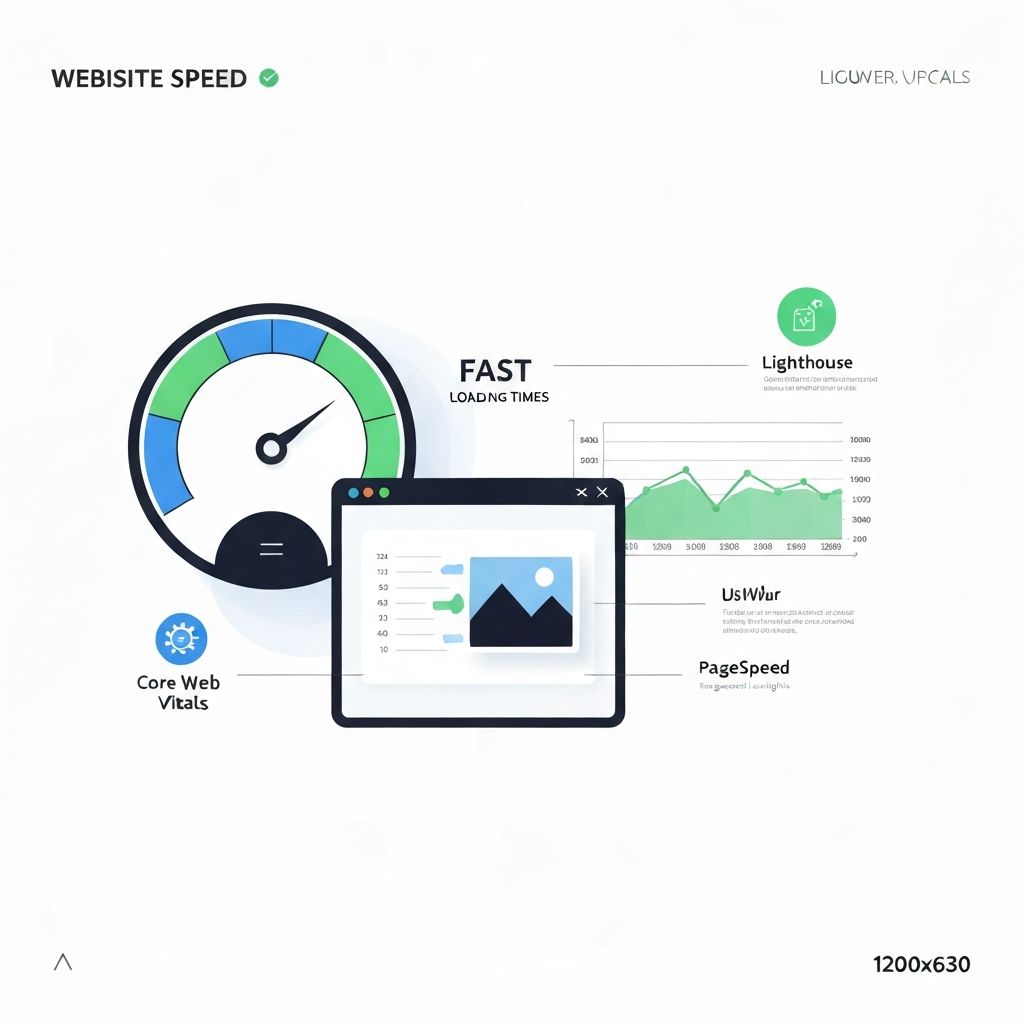
Page speed is a confirmed Google ranking factor, and images often cause the biggest performance bottlenecks. Compress images to reduce file sizes while maintaining visual quality. Use modern formats like WebP that offer superior compression. Implement lazy loading to defer loading off-screen images.
ImageToolsPro's compression tools help you find the optimal balance between file size and quality, ensuring your images load quickly without sacrificing visual appeal—a critical factor for both user experience and search rankings.
Structured Data and Image Markup
Schema markup helps search engines understand image context and purpose. Product images should include Product schema with image URLs. Recipe sites should use Recipe schema highlighting food images. Article pages benefit from Article schema that specifies featured images.
This structured data increases eligibility for rich results in search, potentially showing your images more prominently in various SERP features beyond basic image search.
Image Sitemaps
Image sitemaps ensure search engines discover all your images, especially those loaded dynamically or hidden in JavaScript. Include image URLs, captions, titles, and license information in your sitemap. Submit sitemaps through Google Search Console to track indexing and identify issues.
Context and Surrounding Content
Search engines evaluate images within their page context. Place images near relevant text content. Use descriptive captions that provide additional context and keywords. Ensure your page content aligns with image subject matter—this relevance signals to search engines that your image is the best result for related queries.
Conclusion
Image SEO combines technical optimization, strategic content creation, and user experience considerations. Implement these proven strategies to improve your image search rankings, drive organic traffic, and enhance overall site SEO. Start with the basics—alt text, file names, and compression—then expand to advanced techniques like structured data and image sitemaps as you build your optimization program.