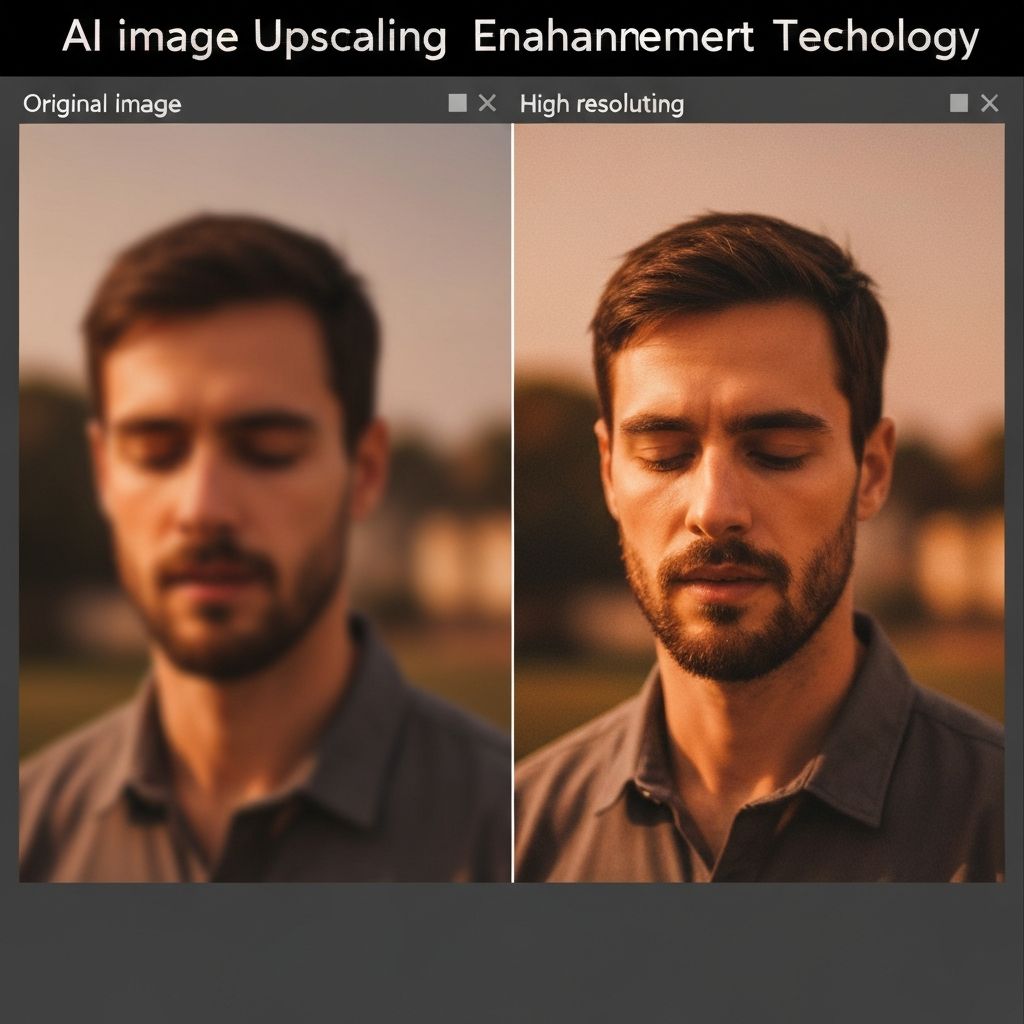
AI Image Upscaling and Enhancement: Turning Low-Quality Photos into High-Resolution Assets
Learn how AI upscaling technology transforms blurry, pixelated images into sharp, high-resolution assets.
In today's digital landscape, understanding image optimization and editing is crucial for anyone working with visual content. Whether you're a professional photographer, a marketing specialist, or a casual blogger, the quality of your images directly impacts how your audience perceives your content and brand.
Understanding the Basics
The principles covered in this article apply across various industries and use cases. From e-commerce product photography to social media marketing, the fundamentals remain consistent: clarity, proper sizing, appropriate format selection, and optimization for your target platform.
Modern tools like ImageToolsPro simplify these decisions by providing intuitive interfaces and intelligent defaults. You don't need to be a technical expert to achieve professional results. The key is understanding what you're trying to achieve and selecting the right tool for the job.
Key Considerations
When working with images, several factors deserve your attention. File size affects loading times and user experience. Image dimensions determine how your visuals display across different devices. Format choice impacts both quality and compatibility. Understanding these relationships helps you make informed decisions.
Let's explore some real-world scenarios where these principles apply. E-commerce stores need high-quality product images that load quickly. Bloggers require optimized images that enhance their content without slowing page loads. Social media managers need correctly sized images for each platform's unique requirements.
Practical Applications
In each case, the workflow typically involves: capturing or sourcing the original image, resizing to appropriate dimensions, optimizing file size through compression, and converting to the ideal format. ImageToolsPro handles all these steps through a simple, user-friendly interface.
Always start with the highest quality source image available. It's easier to reduce quality than to improve it. Consider your target platform's requirements before making adjustments. Test your images across different devices to ensure consistent quality. Keep backup copies of original files in case you need to make changes later.
Best Practices
The world of digital imaging continues to evolve with new formats, techniques, and tools emerging regularly. Staying informed about these developments helps you maintain a competitive edge. ImageToolsPro is committed to incorporating the latest advancements to provide you with cutting-edge capabilities.
We encourage you to explore our full suite of tools and discover how they can streamline your image workflow. Whether you're optimizing a single image or processing hundreds, ImageToolsPro provides the efficiency and quality you need to succeed in today's visual-first digital environment.