Visual Storytelling for Brands: Creating Compelling Images That Connect with Your Audience
Learn the art of visual storytelling to create brand photography that resonates emotionally and drives engagement with your target audience.

In an age of endless scrolling and shrinking attention spans, compelling visual storytelling separates memorable brands from forgettable ones. Learn how to create images that don't just show your products—they tell your brand's story and forge emotional connections with your audience.
The Power of Visual Storytelling
Humans are hardwired for stories. Our brains process visual information 60,000 times faster than text, and we remember images far longer than words alone. When brands harness this power through strategic visual storytelling, they create lasting impressions that drive loyalty and sales.
Visual storytelling goes beyond attractive product photos. It communicates your brand's values, personality, and promise through every image. Nike doesn't just show shoes—they show determination, achievement, and the athlete in everyone. Apple doesn't just show devices—they show creativity, simplicity, and human connection.
This approach works because emotions drive decisions. Research consistently shows that emotional responses to advertising influence purchase intent more than the ad's actual content. Visual storytelling taps directly into these emotional circuits, bypassing rational analysis to create genuine connections.
Defining Your Visual Identity
Effective visual storytelling requires a consistent visual identity—a cohesive look and feel that audiences instantly recognize as yours. This identity encompasses color palettes, photography styles, composition preferences, and recurring visual motifs.
Start by defining your brand's personality. Are you playful or serious? Modern or traditional? Luxurious or accessible? These attributes guide visual choices. A playful brand might use bright colors, dynamic angles, and candid moments, while a luxury brand might favor muted tones, careful composition, and aspirational settings.
Document your visual identity in a brand style guide. Include example images showing desired styles, color specifications, composition guidelines, and images to avoid. This guide ensures consistency across all creators and platforms.
The Elements of Visual Storytelling
Effective visual stories incorporate several key elements. Subject matter—what you photograph—should relate meaningfully to your brand and resonate with your audience. An outdoor gear brand might feature adventurers in dramatic landscapes; a home goods brand might showcase cozy domestic scenes.
Composition guides the viewer's eye and creates emotional impact. The rule of thirds, leading lines, and negative space are foundational techniques. Breaking these rules deliberately can create tension or draw attention, but understand them before breaking them.
Lighting sets mood more powerfully than almost any other element. Bright, even lighting suggests openness and honesty. Dramatic shadows create mystery and sophistication. Natural light often feels authentic and approachable, while studio lighting can appear more polished and controlled.
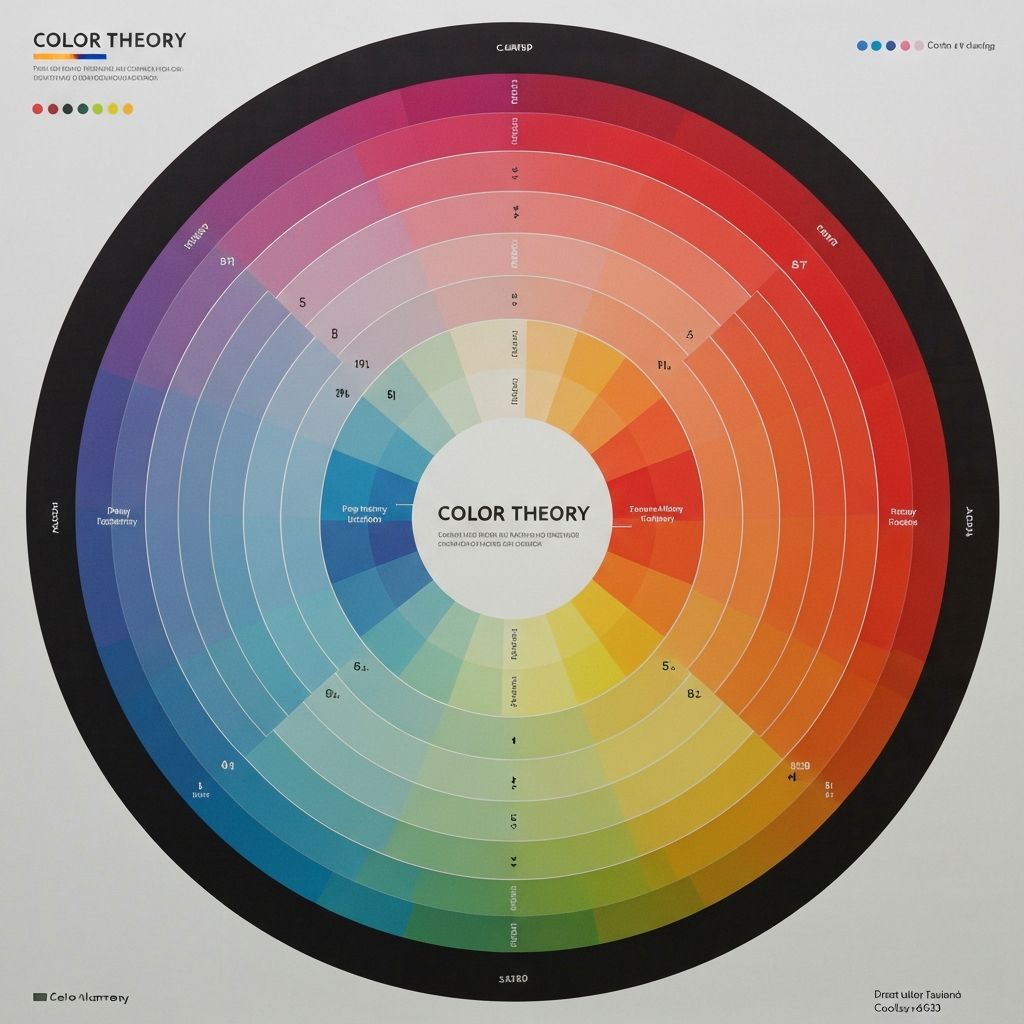
Color carries psychological weight. Warm colors evoke energy and passion; cool colors suggest calm and professionalism. Your brand colors should appear consistently, whether as primary elements or subtle accents that reinforce recognition.
Authentic vs. Staged Imagery
Modern audiences crave authenticity. Stock photos with obvious staging and artificial smiles often backfire, appearing inauthentic and undermining trust. User-generated content, behind-the-scenes glimpses, and real customer stories frequently outperform polished professional shoots.
This doesn't mean abandoning quality. Authentic imagery should still be well-composed, properly lit, and aligned with your brand identity. The goal is genuine moments captured skillfully, not sloppy snapshots.
Consider mixing approaches. Professional product photography ensures your offerings look their best, while user-generated content and candid shots humanize your brand. This combination provides both polish and authenticity.
Storytelling Across Platforms
Different platforms demand different visual approaches. Instagram favors highly polished, aspirational imagery in square or vertical formats. LinkedIn expects professional, business-appropriate visuals. TikTok rewards raw, authentic, vertical video content.
Adapt your visual story to each platform without losing brand consistency. The core narrative and identity should remain recognizable, but execution should fit platform expectations and technical requirements.
Understand each platform's image specifications. Posting the wrong dimensions results in awkward cropping or quality loss. Prepare multiple versions of important images optimized for each destination.
Building Narrative Sequences
Individual images tell moments; sequences tell stories. Consider how your images work together across posts, campaigns, and time. A product launch might progress from teaser shots to reveal to lifestyle usage to customer testimonials.
Carousel posts on Instagram and LinkedIn let you tell mini-stories within a single post. Use them for before/after sequences, step-by-step processes, or multiple perspectives on a single subject.
Your overall feed or profile should present a coherent visual narrative. When visitors view your profile, they should immediately understand your brand's visual identity and the stories you tell.
Incorporating User-Generated Content
Customer photos and videos provide powerful social proof while reducing content creation burdens. When real customers share positive experiences, potential customers find this more credible than brand-created content.
Encourage user-generated content through hashtag campaigns, contests, and feature opportunities. Make sharing easy and rewarding. Always request permission before reposting customer content, and give proper credit when you do.
Curate user content carefully. Not every customer photo aligns with your brand identity. Select images that maintain quality standards while providing authentic perspectives.
Measuring Visual Storytelling Success
Track engagement metrics across your visual content. Which images generate the most likes, comments, saves, and shares? Which drive actual conversions? Patterns in this data reveal what resonates with your audience.
A/B testing helps optimize visual choices. Test different photography styles, color treatments, or composition approaches to see what performs best. Small changes can significantly impact engagement.
Monitor brand perception through surveys and social listening. Effective visual storytelling should improve brand awareness, recall, and sentiment over time.
Preparing Images with ImageToolsPro
Consistent image quality supports consistent brand perception. ImageToolsPro helps maintain visual standards across all your content. Our resize tool ensures images meet platform specifications without awkward cropping or quality loss.
Compression tools optimize file sizes for fast loading without visible quality degradation. Slow-loading images frustrate users and hurt engagement; optimized images keep your visual story flowing smoothly.
Format conversion ensures compatibility across all platforms and devices. Whether you need JPEG for photographs, PNG for graphics with transparency, or WebP for modern web optimization, ImageToolsPro handles the conversion while maintaining quality.
Conclusion
Visual storytelling transforms brands from commodity providers into meaningful presences in customers' lives. By defining a clear visual identity, mastering storytelling elements, and consistently executing across platforms, you create images that resonate emotionally and drive lasting brand loyalty. Start telling your brand's visual story today, and watch your audience connection deepen.